AI-Driven Influence
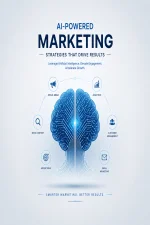
Transforming Marketing with AI
As the digital world evolves, the integration of artificial intelligence into marketing practices is becoming essential. This guide delves into the various ways AI is reshaping marketing strategies, providing insights into its benefits and challenges.
Understanding AI's Role in Marketing
The introduction of AI has revolutionized how businesses approach their marketing efforts. By analyzing large datasets swiftly, AI helps marketers gain valuable insights into consumer preferences and behaviors. This data-driven approach allows for more effective targeting and messaging.
Core AI Technologies in Marketing
Several key AI technologies are instrumental in enhancing marketing strategies:
- Machine Learning: This technology enables systems to learn from data, improving their accuracy over time. Marketers utilize machine learning to analyze trends and predict customer behavior, facilitating personalized marketing initiatives.
- Natural Language Processing (NLP): NLP empowers machines to understand and generate human language, playing a crucial role in customer service tools like chatbots, which enhance user engagement.
- Predictive Analytics: By examining historical data, predictive analytics helps marketers anticipate future trends, allowing them to create proactive marketing strategies.
- Automated Content Generation: AI tools can produce tailored content for specific audiences, optimizing engagement and ensuring a consistent online presence.
Advantages of AI in Marketing
Incorporating AI into marketing strategies offers numerous benefits:
- Deeper Customer Insights: AI's analytical capabilities provide marketers with a clearer understanding of their audience, enabling targeted campaigns.
- Enhanced Personalization: AI allows for the delivery of customized experiences, increasing customer engagement and conversion rates.
- Improved Efficiency: Automating routine tasks with AI saves time and reduces costs, allowing teams to focus on strategic initiatives.
- Real-Time Adaptability: AI tools can analyze data instantly, allowing marketers to make swift adjustments to their strategies for optimal results.
Challenges in Implementing AI
Despite its advantages, businesses face challenges when integrating AI into their marketing strategies:
- Data Privacy Concerns: Companies must navigate data protection regulations to ensure consumer privacy while utilizing AI.
- System Integration: Adopting AI technologies may require significant updates to existing marketing systems, necessitating careful planning.
- Skill Development: As AI continues to evolve, marketing teams need ongoing training to stay current with new technologies and methodologies.
Conclusion
This guide highlights the transformative impact of artificial intelligence on marketing strategies. By understanding the technologies and approaches discussed, businesses can adapt to the evolving landscape and leverage AI to enhance their marketing efforts. The innovations brought about by AI are not merely trends; they are vital components of a successful modern marketing strategy.
Frequently Asked Questions
What are the main benefits of using AI in marketing?
AI enhances customer insights, allows for personalized marketing experiences, improves efficiency by automating tasks, and enables real-time decision-making.
What are some key AI technologies used in marketing?
Key AI technologies in marketing include machine learning, natural language processing, predictive analytics, and automated content generation.
What challenges do businesses face when implementing AI in their marketing strategies?
Businesses may encounter challenges such as data privacy concerns, the need for system integration, and skill gaps within their marketing teams.