From Data to Decisions
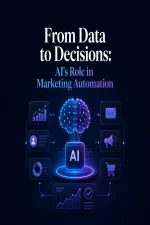
The Importance of AI in Modern Marketing
Artificial intelligence has revolutionized the marketing landscape, allowing businesses to leverage data like never before. By utilizing AI, companies can enhance their marketing strategies, ensuring that they meet the evolving needs of their customers. This section will cover the fundamental aspects of marketing automation and the significant role AI plays in it.
What is Marketing Automation?
Marketing automation encompasses the use of technology to streamline, manage, and automate marketing processes. This approach helps organizations save time and resources while delivering tailored content to their audience. Key components include:
- Email marketing systems
- Social media management tools
- Customer relationship management (CRM) software
By automating repetitive tasks, businesses can focus on strategic initiatives that drive growth.
AI and Marketing Automation: A Powerful Combination
The integration of AI into marketing automation signifies a major advancement in how marketers execute their campaigns. AI technologies such as machine learning and predictive analytics enable marketers to analyze large volumes of data, revealing trends and insights that traditional methods might overlook. This leads to:
- More informed decision-making
- Real-time strategy adjustments based on consumer behavior
Benefits of AI in Marketing Automation
Incorporating AI into marketing automation offers numerous advantages, including:
- Advanced Data Analysis: AI can process customer data quickly and accurately, providing deeper insights into preferences and behaviors.
- Personalized Marketing: AI enables businesses to craft highly personalized messages, leading to better engagement and conversion rates.
- Predictive Insights: By analyzing past data, AI can predict future customer actions, allowing for proactive strategy adjustments.
- Effective Customer Segmentation: AI enhances the ability to segment audiences based on various characteristics, facilitating targeted marketing efforts.
- Automation of Repetitive Tasks: AI can take over mundane tasks, enabling marketers to concentrate on creative and strategic work.
Implementing AI in Marketing Strategies
For successful AI integration into marketing automation, organizations should consider the following:
- Set Clear Goals: Define what you want to achieve with AI-driven marketing automation, such as boosting lead generation or enhancing customer retention.
- Choose the Right Tools: Select AI tools that align with your objectives and integrate well with existing systems.
- Provide Training: Ensure your team is proficient in using AI technologies to maximize the effectiveness of your marketing strategies.
- Monitor Performance: Regularly assess the outcomes of your AI-enhanced marketing efforts and make adjustments as needed.
Challenges in AI Integration
While the benefits are significant, challenges remain when integrating AI into marketing automation:
- Data Privacy Issues: The use of customer data must comply with privacy regulations to maintain trust.
- Complex Integration: Merging AI tools with existing systems can be challenging and requires careful planning.
- Quality Data Dependency: The success of AI relies on the quality of the data it analyzes, necessitating accurate and comprehensive datasets.
Conclusion
The integration of AI into marketing automation represents a transformative shift in how companies approach marketing. By leveraging AI, businesses can convert raw data into strategic insights, leading to better decision-making and improved marketing outcomes. As technology continues to progress, the role of AI in marketing will expand, offering new possibilities for those willing to innovate and adapt.
Frequently Asked Questions
What is marketing automation?
Marketing automation refers to the use of software and tools to streamline and automate marketing tasks, allowing businesses to manage campaigns more efficiently and deliver personalized content to their audience.
How does AI enhance marketing automation?
AI enhances marketing automation by providing advanced data analysis, enabling personalized marketing strategies, and allowing for real-time adjustments based on consumer behavior.
What are the challenges of integrating AI into marketing?
Challenges include data privacy concerns, the complexity of integrating AI with existing systems, and the need for high-quality data to ensure effective AI performance.