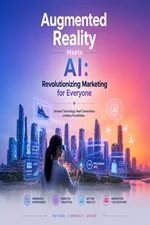
Augmented Reality Meets AI
Introduction
The fusion of augmented reality (AR) and artificial intelligence (AI) is reshaping the marketing landscape. By combining these two innovative technologies, businesses can create more engaging customer experiences and streamline their operations. This article delves into how AR and AI work together, their benefits, applications, and the challenges marketers face in this evolving digital age.
Defining Augmented Reality and Artificial Intelligence
Augmented reality is a technology that superimposes digital content onto the physical world, enhancing how users perceive their surroundings. This can be accessed through various devices, including smartphones, tablets, and specialized glasses. In contrast, artificial intelligence refers to the capability of machines to perform tasks that typically require human intelligence, such as learning, reasoning, and problem-solving. When AR and AI are combined, they create unique opportunities for deeper customer engagement and insightful data analysis.
Advantages of Merging AR and AI in Marketing
The integration of augmented reality with artificial intelligence offers numerous advantages for marketers, including:
- Improved Customer Experience: AR delivers immersive and interactive experiences, while AI customizes these interactions based on individual user data, leading to a more engaging journey.
- Enhanced Data Insights: The synergy of AR and AI allows marketers to collect and analyze detailed customer behavior and preferences, facilitating targeted marketing strategies.
- Creative Product Showcases: Brands can leverage AR for real-time product demonstrations, while AI evaluates customer interactions to refine marketing approaches.
- Boosted Engagement: AI-powered AR experiences can captivate and hold customer attention more effectively than traditional marketing methods.
Real-World Applications of AR and AI in Marketing
The practical uses of augmented reality and artificial intelligence in marketing are diverse and continually evolving. Here are some notable applications:
- Virtual Try-Ons: Retailers are adopting AR technology to enable customers to virtually try on items like clothing and accessories, while AI analyzes data to offer personalized suggestions.
- Interactive Marketing Campaigns: Brands can develop AR advertisements that encourage user interaction, with AI monitoring engagement metrics to enhance future campaigns.
- Advanced Customer Support: AI-driven chatbots can complement AR applications, assisting customers with troubleshooting or providing real-time product information.
- Geolocation Marketing: AR can send tailored promotions to users based on their location, while AI processes user data for personalized offers.
Challenges and Considerations
Despite the immense potential of combining augmented reality and artificial intelligence, marketers face several challenges, including:
- Technical Barriers: Developing and implementing AR and AI solutions requires significant investment and expertise, which can be a hurdle for some businesses.
- Privacy Issues: Given that these technologies depend heavily on user data, marketers must comply with privacy regulations and maintain transparency regarding data usage.
- User Familiarity: Not all consumers may be comfortable with or knowledgeable about AR experiences, highlighting the need for educational initiatives.
Conclusion
Looking ahead, the collaboration between augmented reality and artificial intelligence emerges as a formidable tool for innovation in marketing. By understanding and utilizing these technologies, businesses can formulate compelling marketing strategies that cater to the evolving needs of modern consumers. Embracing this digital shift is essential for companies aiming to thrive in a competitive market.
Frequently Asked Questions
What is the role of augmented reality in marketing?
Augmented reality enhances marketing by providing immersive experiences that allow customers to interact with products in a virtual environment, leading to increased engagement and better customer understanding.
How does artificial intelligence improve customer experiences?
Artificial intelligence personalizes customer interactions by analyzing user data and behavior, enabling businesses to tailor their offerings and communications to meet individual preferences.
What challenges do businesses face when integrating AR and AI?
Businesses may encounter technical limitations, privacy concerns regarding user data, and the need to educate customers about AR technologies to ensure successful adoption.